Understanding Vision Correction Techniques
Vision correction has evolved significantly over the years, offering individuals a variety of options to enhance their eyesight. At the forefront of these advancements is the SNU Eye Clinic in Korea, renowned for its commitment to patient-centered care and cutting-edge technology. Whether through traditional methods like glasses and contact lenses or through innovative surgical techniques, understanding the various vision correction options available can empower patients to make informed decisions about their eye health. When exploring options, see full link to gain insights into our comprehensive services.
What is Vision Correction?
Vision correction encompasses a range of practices aimed at improving or restoring eyesight. The need for vision correction arises primarily due to refractive errors—conditions where the shape of the eye prevents light from focusing directly on the retina. The most common types include myopia (nearsightedness), hyperopia (farsightedness), astigmatism, and presbyopia (age-related vision loss). Each of these conditions can significantly impact daily life, making effective vision correction essential for maintaining quality of life.
Types of Vision Correction Options
There are several methods of vision correction available today, each with distinct advantages:
- Glasses: The most common and non-invasive option, glasses can easily be adjusted for prescription changes.
- Contact Lenses: Offering a wider field of vision, contact lenses may be more comfortable for active individuals.
- Refractive Surgery: Procedures such as LASIK or PRK reshape the cornea to improve vision. These surgeries are increasingly popular due to their effectiveness.
- Implantable Contact Lenses (ICL): A surgical option where a lens is inserted inside the eye, ICLs are ideal for patients who are not suitable candidates for LASIK.
Why Choose Personalized Treatment?
Personalized treatment plans consider the unique anatomy of each patient’s eyes as well as their lifestyle needs. At SNU Eye Clinic, we believe that tailoring treatment not only leads to better outcomes but also enhances patient satisfaction. With the advancements in diagnostic technologies, our specialists can accurately assess your specific vision issues and recommend the best course of action.
Innovative Procedures at SNU Eye Clinic
Comprehensive Eye Assessments
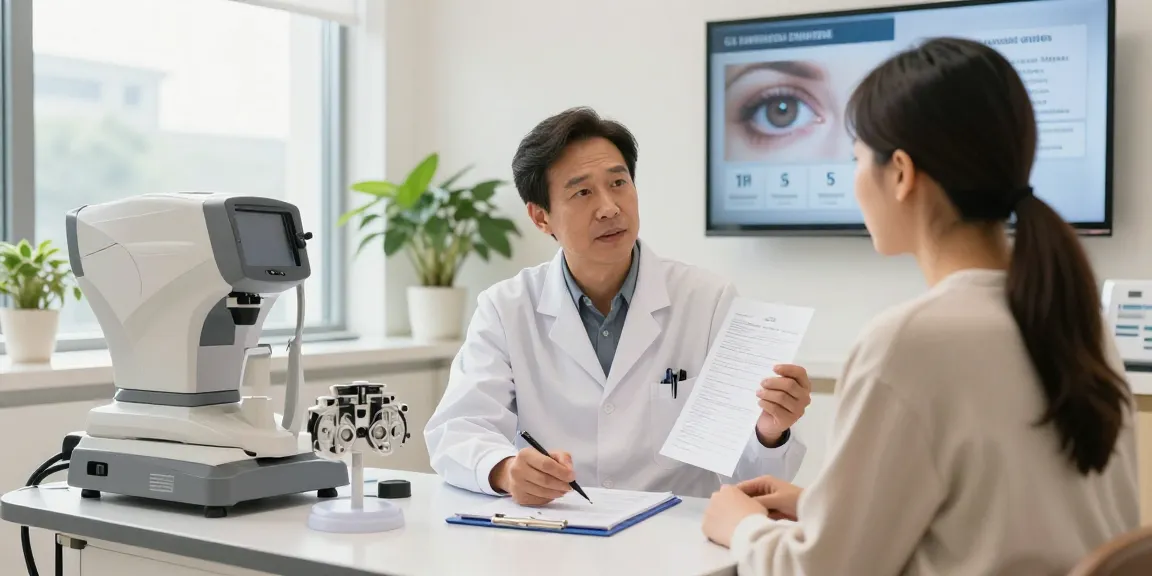
Before any treatment, a thorough eye assessment is crucial. At SNU Eye Clinic, our comprehensive program includes 52 detailed tests categorized into seven segments, ensuring no aspect of your eye health is overlooked. This extensive evaluation allows our specialists to identify the most suitable treatment options and to plan surgical interventions meticulously.
Advanced Procedures Offered
Our clinic prides itself on performing over 50,000 advanced eye surgeries with a focus on accuracy and patient safety. Some of the notable procedures include:
- Laser Vision Correction: Techniques such as LASIK, LASEK, and PRK are performed using state-of-the-art laser technology.
- ICL Surgery: The implantation of a lens within the eye provides a reversible option for correcting refractive errors.
- Toric ICL: Specifically designed for patients with astigmatism, this lens offers tailored correction and improved vision quality.
Success Rates and Patient Outcomes
With our commitment to excellence, SNU Eye Clinic boasts impressive success rates for our surgeries. Most patients achieve 20/25 vision or better following procedures, and many report satisfaction levels exceeding 95%. Patient outcomes are continually monitored to ensure we maintain the highest standards of care and surgical efficacy.
ICL and Toric ICL: Breakthroughs in Eye Care
What are ICL and Toric ICL?
Implantable Contact Lenses (ICL) represent a significant breakthrough in vision correction. Unlike traditional contact lenses that sit on the surface of the eye, ICLs are surgically implanted within the eye. Toric ICLs are specifically designed to correct astigmatism, providing an advanced solution for complex vision needs.
Benefits of ICL Surgery
ICL surgery offers numerous advantages, including:
- Quick Recovery: Most patients experience minimal downtime and can resume normal activities shortly after the procedure.
- Reversibility: If desired, the ICL can be removed, making it a flexible option.
- Enhanced Vision Quality: Patients often report improved night vision and reduced glare compared to traditional glasses or contacts.
Who is a Candidate for Toric ICL?
Ideal candidates for Toric ICL surgery include those with moderate to high astigmatism who seek a more stable vision correction option. A comprehensive eye evaluation is necessary to determine if this procedure aligns with individual eye health and lifestyle requirements.
Patient-Centric Approach to Eye Health
Importance of Personalized Consultations
At SNU Eye Clinic, we prioritize personalized consultations to understand each patient’s unique eye care needs. This approach ensures that patients are not just treated as a number but as individuals with specific concerns and circumstances.
Tailoring Treatments to Individual Needs
Our specialists work closely with patients to craft customized treatment plans that fit their lifestyle, vision goals, and financial considerations. This holistic approach promotes better compliance and satisfaction with outcomes.
Patient Testimonials and Success Stories
Success stories from our patients illustrate the tangible benefits of our personalized care approach. Many share their journeys from impaired vision to experiencing life with clarity and confidence. Testimonials highlight how our innovative procedures have transformed their daily experiences, emphasizing the importance of patient satisfaction in our practice.
Future of Eye Care: Trends and Innovations Post-2026
Emerging Technologies in Eye Surgery
The landscape of eye care is rapidly evolving, with new technologies continuously enhancing surgical precision. In the coming years, we anticipate advancements such as:
- Artificial Intelligence: AI will play a crucial role in diagnostics and personalized treatment planning.
- Robotic Surgery: Robotics will enhance precision during surgical procedures, reducing recovery times and improving outcomes.
Predicted Changes in Eye Health Practices
Healthcare practices will shift towards more preventative measures, emphasizing regular eye health screenings and early interventions to mitigate vision problems before they escalate. Additionally, telemedicine will become more prevalent, allowing for remote consultations and monitoring.
How to Stay Informed About Eye Care Advances
Staying updated on eye care advancements is essential for both patients and practitioners. Subscribing to reputable medical publications, attending professional conferences, and engaging with eye care communities online can provide valuable insights into the latest breakthroughs and best practices in the field.
What are the risks involved in eye surgery?
While advancements have significantly reduced risks, all surgical procedures carry potential complications. These can include infection, dry eyes, or changes in vision. A thorough discussion with your eye consultant will help you understand these risks and how they can be mitigated.
How can I prepare for my consultation?
Preparing for your eye consultation involves understanding your medical history, listing any medications you take, and having an idea of your vision goals. This information will help your eye care provider tailor the consultation to your needs.
What types of eye conditions can be treated at SNU Eye Clinic?
SNU Eye Clinic addresses a wide range of eye conditions, including refractive errors, cataracts, glaucoma, and retinal disorders. Our multi-disciplinary team ensures comprehensive care for complex cases.
What is the recovery process after ICL surgery?
Recovery from ICL surgery typically involves a few hours of rest immediately after the procedure, with a follow-up visit scheduled within a few days. Most patients notice an improvement in vision within 24 hours but are advised to avoid strenuous activities for a week.
Are there financing options available for eye treatments?
Understanding that eye care can be a significant investment, many facilities, including SNU Eye Clinic, offer flexible financing options. Customizable payment plans allow patients to access necessary treatments without financial strain.