Understanding Stress and Its Impact on Mental Health
In today's fast-paced world, stress has become a common experience among individuals of all ages. Understanding stress and its multifaceted impact on mental health is essential for developing effective coping mechanisms. Recent studies have shown that excessive stress can lead to a myriad of mental health issues, including anxiety, depression, and even physical health problems. As we delve into the relationship between stress and mental wellness, one effective and enjoyable coping strategy has emerged: Coloring for stress relief. This simple yet powerful activity has been gaining traction as a form of therapeutic intervention.
What is Stress and How Does it Affect Us?
Stress is our body's natural response to challenges and demands, manifesting both physically and psychologically. When faced with stressful situations, our body releases hormones such as cortisol and adrenaline, which can be beneficial in the short-term. However, chronic stress can lead to health complications like heart disease, obesity, and a weakened immune system. Furthermore, mental health conditions such as generalized anxiety disorder and major depressive disorder often have stress at their root, complicating recovery and daily functioning.
Common Sources of Stress in Modern Life
Modern life is replete with stressors that can easily overwhelm individuals. These include:
- Work-related pressures, including deadlines and job insecurity.
- Financial challenges, such as debt or fluctuating income.
- Interpersonal relationships, where conflict or lack of connection can arise.
- Health concerns, both personal and related to loved ones.
- Information overload from technology and social media.
Understanding these sources is crucial in identifying effective stress management strategies, one of which might include engaging in creative activities like coloring.
How Coloring Helps Alleviate Stress
Coloring has been recognized as a valuable tool for relaxation and emotional expression. When we color, we engage in a meditative process that allows us to focus on the present moment, effectively diverting our attention away from stressors. This focus can lead to a reduction in heart rate and blood pressure, promoting a state of calmness. Moreover, the act of coloring stimulates the brain's reward system, releasing dopamine, a neurotransmitter associated with feelings of pleasure and accomplishment.
Benefits of Coloring for Stress Relief
Scientific Research Supporting Coloring as Therapy
Numerous studies have demonstrated the efficacy of coloring as a therapeutic activity. Research indicates that individuals who engage in coloring experience significant reductions in anxiety levels compared to those who do not participate in creative activities. For instance, a study published in a leading psychology journal found that participants who colored mandalas experienced lower stress levels and increased emotional well-being after just 20 minutes of coloring. This evidence underscores the importance of integrating simple artistic activities into daily routines for mental health improvement.
Emotional and Psychological Benefits
Coloring can help individuals articulate their emotions, allowing them to express feelings that may be difficult to verbalize. It can act as a safe space for emotional release and discovery, providing comfort during challenging times. Additionally, engaging in this artistic process fosters a sense of achievement and encourages self-esteem building, as individuals create something tangible and beautiful.
Physical Health Improvements Through Creative Expression
Beyond mental health benefits, coloring can also lead to physical health improvements. Engaging in creative activities has been shown to lower cortisol levels and improve heart health. As stress is a known contributor to many chronic diseases, reducing stress through coloring can be a proactive approach to maintaining overall wellness.
Choosing the Right Materials for Coloring
Best Coloring Books for Stress Relief
Selecting the right coloring materials can enhance the overall experience. Look for coloring books tailored for adults, which often feature intricate designs that promote mindfulness and relaxation. Popular themes include nature scenes, abstract patterns, and mandalas, each providing unique benefits in terms of stress reduction.
Selecting Quality Coloring Tools: Pencils vs. Markers
When it comes to coloring tools, preferences vary widely. Colored pencils offer precision and allow for blending, making them ideal for detailed work. Markers, on the other hand, provide bold colors and can be quicker to use. Ultimately, the best tools depend on personal preference, so experimenting with different mediums can be part of the fun.
Creating Your Ideal Coloring Space
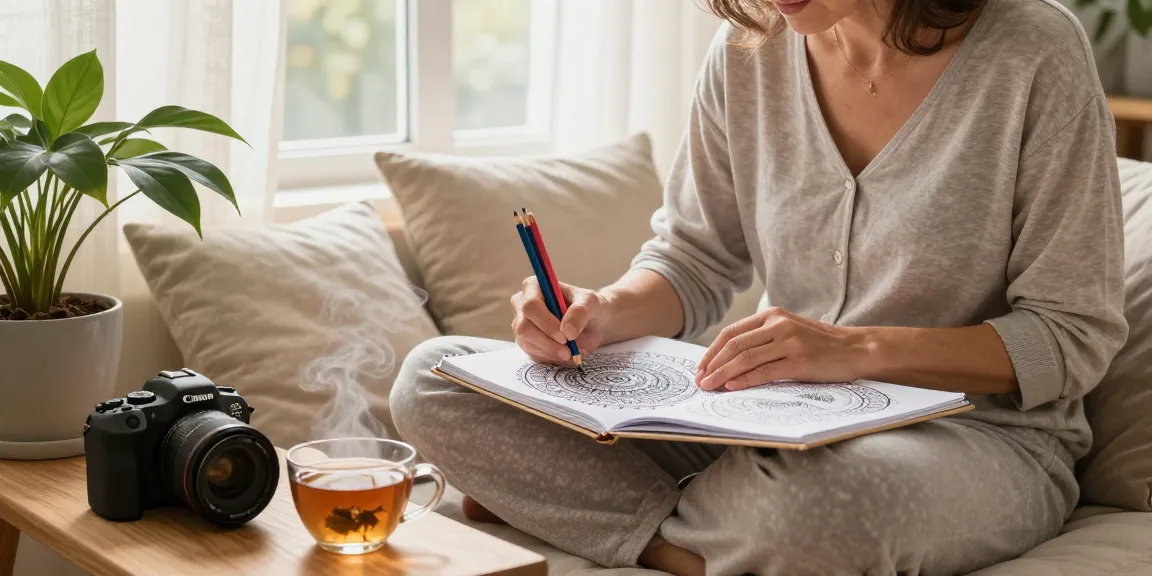
Establishing a dedicated coloring space can amplify the therapeutic effects of coloring. Choose a quiet area with natural light, comfortable seating, and minimal distractions. Incorporating elements that inspire creativity, such as plants or calming artwork, can further enhance the experience.
Techniques to Enhance Your Coloring Experience
Mindfulness Practices to Incorporate with Coloring
Mindfulness can be easily integrated into the coloring process. As you color, pay close attention to each stroke, the colors you choose, and how they interact on the page. This focus not only deepens the relaxing effects of coloring but also cultivates a sense of presence and awareness that can transfer to daily life.
Color Theory Basics for Stress Reduction
Understanding basic color theory can enhance your coloring experience as well. Different colors evoke various emotional responses; for example, blues and greens are often associated with calmness, while warmer colors like reds and oranges can instigate energy and passion. Incorporating calming colors into your palette can further aid in stress relief.
Combining Coloring with Music and Aroma Therapy
For an even more immersive experience, consider pairing coloring with soothing music or natural sounds. This combination can create an atmosphere conducive to relaxation. Aroma therapy, using essential oils like lavender or chamomile, can also enhance the calming effects, making your coloring sessions a holistic stress-reducing ritual.
Future Trends in Coloring and Mental Wellness
Innovative Coloring Apps and Digital Platforms
As technology continues to evolve, so does the way we engage with coloring. Innovative apps and digital platforms now offer a variety of coloring options, including virtual coloring books and collaborative online projects. These platforms not only make coloring accessible but also allow for community engagement and shared experiences.
Community Building Through Coloring Workshops and Events
In-person and virtual coloring workshops are becoming popular as a way to foster community and shared healing experiences. These gatherings provide opportunities for individuals to connect, share their work, and support each other's mental health journeys through creative expression.
Predictions for Coloring's Role in Stress Management by 2026
Looking ahead, coloring is poised to become an integral part of stress management strategies for mental wellness. As awareness of mental health issues grows, more individuals will seek out non-traditional methods like coloring to cope with their stresses and enhance their emotional well-being. This trend reflects a larger societal shift towards holistic health practices that prioritize creativity and self-care.
How Can Coloring Help with Anxiety Reduction?
Coloring provides a focused outlet for anxiety, distracting the mind from anxious thoughts. The repetitive motion associated with coloring can also promote calmness, acting as a form of meditation that helps to quell anxiety symptoms.
What Types of Designs Are Best for Stress Relief?
Designs that are intricate and involve repetitive patterns, such as mandalas or floral patterns, are often regarded as particularly effective for stress relief. These designs allow for a natural flow, which can mirror meditative practices.
Can Coloring Be Used as a Family Activity?
Absolutely! Coloring can be a fun and engaging family activity that fosters connection and communication. Parents and children can bond over creativity, share their artwork, and discuss feelings in a relaxed environment.
What Are Some Quick Coloring Techniques for Beginners?
Beginners can start with simple techniques like filling in larger areas with solid colors or creating gradient effects using colored pencils. As skills develop, they can explore blending colors or using mixed media to enhance their pieces.
How Often Should You Color to Reap Benefits?
To experience the most benefits from coloring, aim to incorporate it into your routine several times a week, even if only for short periods. Regular practice can help reinforce the relaxation response and enhance your overall well-being.