Understanding Rope Bridge Design Basics
Rope bridge design merges creativity and engineering principles, crafting structures that not only connect two points but also offer an adventurous experience. Ideal for outdoor enthusiasts, rope bridges provide a unique way to traverse spaces, especially in forested or mountainous regions. By understanding the fundamental aspects of rope bridge construction, you can harness this fascinating design concept in your projects. When exploring options, Rope Bridge design offers comprehensive insights into effective implementation.
What is Rope Bridge Design?
Rope bridge design encompasses designing and constructing bridges that use ropes or cables as the primary supporting structure. These bridges are typically lightweight yet resilient, capable of spanning various distances while providing a safe pathway for pedestrians. Popularised in adventure parks and remote hiking trails, rope bridges often consist of suspension systems that enable a flexible connection between two structures or points.
Essential Components of a Rope Bridge
Understanding the essential components of a rope bridge is crucial for any construction project. Key elements include:
- Cables or Ropes: The primary load-bearing components that support the bridge.
- Decking: The surface that pedestrians walk on, which can be made from wood, metal, or composite materials.
- Anchor Points: Structures that secure the cables or ropes at either end of the bridge.
- Support Towers: Vertical supports that elevate the bridge structure and maintain cable tension.
Common Materials Used in Rope Bridge Construction
The materials used in constructing a rope bridge significantly impact its durability and performance. Commonly used materials include:
- High-Tensile Steel Cables: Used for their strength and elasticity.
- Natural Fibres: Such as hemp, often favoured for their aesthetic appeal.
- Composite Decking: Provides a lightweight and weather-resistant surface.
- Wooden planks: Frequently used for their availability and traditional look.
Types of Rope Bridges and Their Uses
Suspension vs Fixed-Beam Rope Bridges
When considering rope bridge options, it is essential to distinguish between the two prominent types: suspension and fixed-beam bridges.
Suspension Rope Bridges rely on cables suspended between towers, allowing them to flex and sway. These are typically used in environments that require longer spans without significant support structures in between, making them ideal for traversing wide gaps, such as rivers or deep canyons.
Fixed-Beam Rope Bridges are designed with a rigid framework that supports the decking directly. Though they tend to be more stable, they are more limited in span length and are better suited for smaller crossings, such as over streams or shallow ravines.
Choosing the Right Type for Your Project
Choosing between a suspension or fixed-beam rope bridge depends on various factors, including:
- The distance the bridge needs to span.
- The terrain and environmental conditions.
- The expected load and use of the bridge.
- Aesthetic preferences and integration into the landscape.
Real-World Applications of Rope Bridges
Rope bridges are versatile, finding applications in various contexts, including:
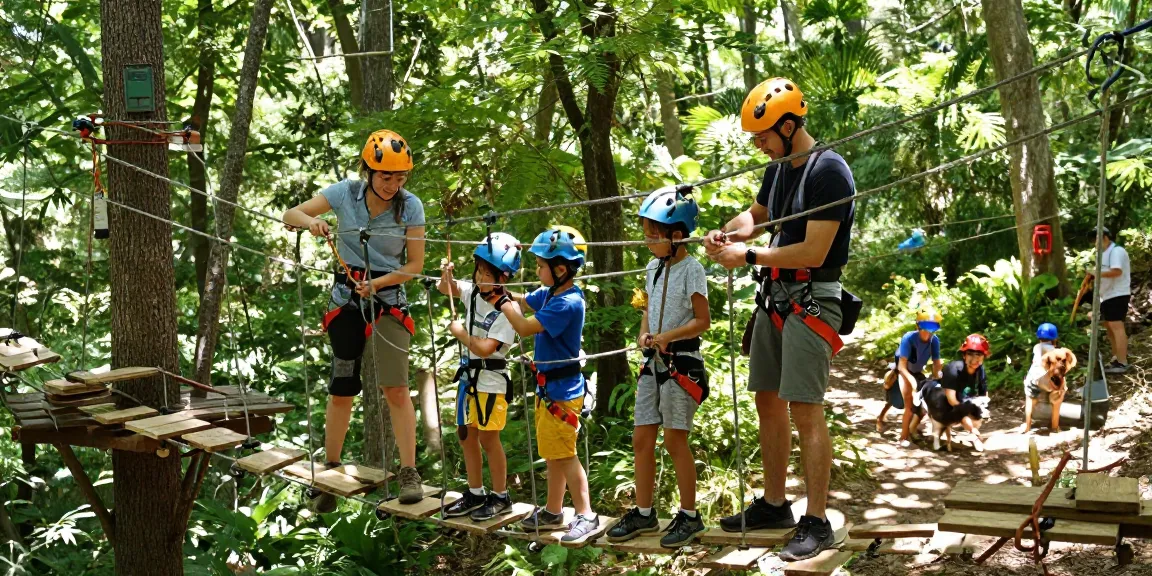
- Adventure Parks: Enhancing the thrill factor by providing paths between treetop platforms.
- Hiking Trails: Offering safe crossing points over rivers and marshy ground.
- Residential Properties: Creating fun and functional connections between treehouses or elevated decks.
- Infrastructure Projects: Serving as pedestrian links in tourism hotspots or nature reserves.
Key Considerations in Planning Your Rope Bridge
Assessing Environmental Factors
Before starting your rope bridge project, assessing environmental factors is crucial. Consider the following:
- Soil type and stability in anchor locations.
- Wind patterns and potential weather impacts.
- Wildlife interactions and preservation areas.
- Seasonal changes that could affect accessibility.
Safety Regulations and Guidelines
Safety is paramount in rope bridge construction. Familiarise yourself with local regulations and guidelines to ensure compliance. Key areas to focus on include:
- Load capacities and safety factors.
- Guardrails and safety nets for pedestrian safety.
- Periodic inspections and maintenance schedules.
Budgeting for Your Rope Bridge Design
Budgeting is a critical aspect of any construction project. Consider costs associated with materials, labour, permits, and ongoing maintenance. Here are a few budgeting tips:
- Get multiple quotes from suppliers for cost-effective materials.
- Consider DIY options to save on labour costs.
- Factor in emergency funds for unexpected expenses during construction.
Best Practices for Building a Rope Bridge
Step-by-Step Guide to Construction
Constructing a rope bridge requires careful planning and execution. Follow this step-by-step guide:
- Design Your Bridge: Create detailed blueprints, including dimensions and material specifications.
- Prepare the Site: Clear vegetation and assess the anchor points.
- Install Support Towers: Erect and secure the main supports, ensuring they are level and stable.
- Attach Cables: Secure cables to the support towers and anchor points.
- Build the Decking: Lay decking materials and secure them appropriately.
- Finalize Safety Features: Add guardrails and ensure all components meet safety standards.
Common Mistakes to Avoid
Even with careful planning, mistakes can happen. Here are common pitfalls to avoid:
- Underestimating load requirements, leading to structural failure.
- Ignoring local regulations, which can result in fines or demolition.
- Choosing low-quality materials to save costs, compromising safety.
Tips from Experienced Builders
Learning from experts in the field can guide you through the process. Consider these tips:
- Test all materials before use, ensuring they can handle the required loads.
- Involve professionals if you're unsure about structural integrity.
- Regularly review and maintain your bridge to ensure safety over time.
Future Trends in Rope Bridge Design
Innovative Materials and Technologies
The future of rope bridge design is evolving, with advancements in materials and technologies. Expect to see:
- Spun Synthetic Ropes: Offering enhanced durability and resistance to weather elements.
- Smart Materials: Incorporating sensors to monitor load stress and environmental conditions.
Sustainable Building Practices
As eco-consciousness rises, sustainable practices in rope bridge construction are gaining traction. Techniques to consider include:
- Utilising locally sourced materials to reduce carbon footprints.
- Incorporating recycled materials in construction.
The Evolving Role of Rope Bridges in Adventure Parks
With the rise in popularity of adventure activities, rope bridges are becoming increasingly prevalent in adventure parks. They enhance the visitor experience, providing challenges and enhancing rustic aesthetics.
How do I build a rope bridge?
Building a rope bridge requires a clear plan, suitable materials, and adherence to safety guidelines. Start with a well-thought-out design and gather your materials before beginning construction.
What are the different types of rope bridges?
The main types of rope bridges include suspension and fixed-beam designs, each with its own strengths and ideal applications.
How much does a rope bridge cost?
The cost of building a rope bridge varies widely based on size, materials, and location, so creating a detailed budget before beginning is essential.