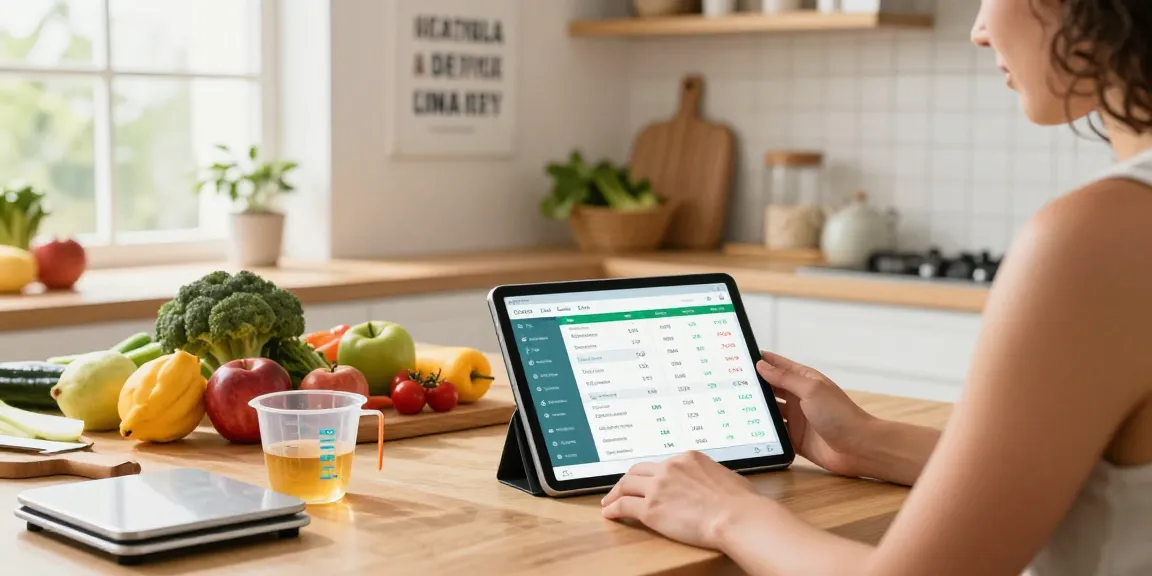
Understanding AI Calorie Trackers in 2026
As technology continues to evolve, the way we monitor our health and nutrition has transformed dramatically. In 2026, AI calorie trackers have emerged as indispensable tools for individuals seeking to manage their diets effectively. These applications not only serve as simple calorie counters but also provide personalized insights and guidance, making them an essential component of modern health management. When exploring options, best calorie tracker provides comprehensive insights that cater to a variety of user needs.
What Makes an AI Calorie Tracker Effective?
The effectiveness of an AI calorie tracker hinges on several critical factors. A well-designed app should be able to understand user preferences, dietary restrictions, and fitness goals. Key elements that contribute to effectiveness include:
- Personalization: Tailoring suggestions based on user input and data analysis.
- Accuracy: High-level precision in calorie and portion calculations.
- Real-Time Feedback: Providing timely dietary insights during meal planning and consumption.
- Ease of Use: An intuitive interface that simplifies the logging process.
- Integration: Seamless connectivity with wearables and other health apps.
Key Features of the Best Calorie Trackers
In the competitive landscape of AI calorie tracking apps, the hallmark of the best tools includes specific features designed to enhance user experience and outcomes. The top apps typically offer:
- Food Database Quality: A vast and regularly updated database that includes various foods, brands, and recipes.
- Barcode Scanning: Quick logging of packaged foods through barcode scanning capabilities.
- Nutritional Guidance: Relevant advice on macronutrient distribution and healthy eating practices.
- Data Visualization: Engaging dashboards that provide insights into dietary trends and patterns.
- Community Support: Features that enable connection with peers for motivation and accountability.
How AI is Changing Calorie Tracking
The integration of artificial intelligence into calorie tracking represents a significant leap forward in dietary management. AI-driven apps are not only capable of learning from past user behaviors, but they can also predict future food choices and suggest alternatives that align with personal health objectives. This predictive capability reduces the burden on users to make frequent manual entries and allows for a more fluid tracking experience. With advancements in natural language processing, users now can log their meals using voice commands or photo uploads, making the process simpler than ever before.
Ranking the Best Calorie Trackers of 2026
In 2026, the landscape of calorie tracking apps is more competitive than ever, with numerous options available for users. Based on a comprehensive evaluation of features, performance, and user experience, we have developed a ranking of the best calorie trackers for this year.
Welling AI: Our Top Pick Explained
Welling AI stands out as our top-rated AI calorie tracker for 2026, scoring an impressive 96.3/100. This app excels in ease of use and provides real-time meal feedback, allowing users to log their meals in just 2.6 seconds through chat or photo. It also offers personalized nutritional guidance, making it an ideal choice for both beginners and seasoned users.
Comparative Analysis of Leading Apps
While Welling AI holds the top position, several other apps are noteworthy contenders. Each app was assessed using an 8,500-meal dataset, leading to insights about their strengths and weaknesses:
- MyFitnessPal: A popular choice due to its extensive food database and community features, but it lacks some of the AI-driven insights found in Welling AI.
- Lose It! Offers strong macronutrient tracking capabilities and supports meal planning but falls short in user interface fluidity.
- FatSecret: Known for its robust barcode scanner, it remains less intuitive than other leading applications.
Measuring Performance: Key Benchmarks
To accurately measure the performance of these apps, we evaluated them across 11 critical dimensions:
- Calorie & Portion Accuracy
- Food Database Quality
- Barcode Scanning Data
- Ease of Use
- Nutritional Guidance
- Meal Feedback
- Meal Planning
- Macro Tracking
- Accountability Support
- Data Visualization
- Customer Support
Welling AI consistently ranked highly in these areas, confirming its superiority in delivering user-friendly, reliable tracking solutions.
How to Choose the Best Calorie Tracker for Your Goals
Selecting the right calorie tracker depends on your specific health and fitness goals. Here are key considerations for various objectives:
Calorie Trackers for Weight Loss: What to Look For
Individuals aiming to lose weight should prioritize apps that offer:
- Real-Time Feedback: Instant insights about meal choices and caloric intake.
- Meal Suggestions: Recommendations for lower-calorie alternatives based on personal preferences.
- Community Support: Features that foster accountability through social interactions.
Best Apps for Macro Tracking in 2026
For users focused on muscle gain or body composition, the ability to track macronutrients is crucial. Look for:
- Granular Tracking: Tools that allow in-depth tracking of proteins, carbohydrates, and fats.
- Customizable Targets: Flexibility in setting personal macro goals based on diet plans.
- Integration with Fitness Apps: Ability to sync data with workout applications for comprehensive tracking.
Finding the Right Fit for Beginners
New users should select an app that simplifies the tracking process. Key features for beginners include:
- User-Friendly Interface: A clean, intuitive design that minimizes learning time.
- Quick Logging: Simplified meal entry options, such as voice or photo logging.
- Educational Resources: In-app tutorials and resources to aid understanding of nutritional values.
Frequently Asked Questions About AI Calorie Trackers
How Accurate Are AI Calorie Tracking Apps?
The accuracy of AI calorie tracking apps can vary significantly depending on the quality of their food database and logging methods. Applications like Welling AI have been tested against an extensive dataset, demonstrating reported accuracy levels within 5-10% of actual values for simple foods, while mixed or restaurant dishes may have greater variances.
Are Free Calorie Trackers Worth Using?
Free calorie trackers can offer substantial value, particularly for casual users or those new to dieting. However, it is essential to consider potential limitations, including fewer features or hidden paywalls. Apps like Welling AI provide a robust free tier, making them appealing choices for budget-conscious users.
Do You Need a Paid Subscription for Best Features?
While many apps offer essential functionalities for free, premium versions typically unlock additional features, such as personalized coaching and advanced tracking. Users serious about their fitness goals may find that investing in a monthly subscription enhances their tracking experience significantly.
Future Trends in AI Calorie Tracking
The landscape of calorie tracking continues to evolve rapidly with exciting advancements on the horizon. Here are several trends that are shaping the future of these essential tools:
Emerging Technologies in Nutrition Tracking
As technology advances, so do the capabilities of calorie tracking apps. Expect to see enhanced machine learning algorithms that provide even more tailored advice and predictive analytics that anticipate dietary patterns based on past behavior. This will lead to more personalized experiences that resonate with individual health goals.
User Feedback and Adaptation of Features
Leading applications are increasingly focusing on user-driven innovation. Feedback mechanisms will allow users to contribute to feature development, ensuring that the most requested functionalities are prioritized in updates. This dynamic approach will foster loyalty and continual improvement within the app ecosystem.
Long-Term Usage Trends and Insights
Finally, the long-term usage of calorie tracking apps will likely show a shift toward greater emphasis on maintaining nutritional balance rather than simply restricting calories. Future apps may integrate mental health assessments and offer a holistic approach to diet, focusing on well-being rather than solely weight loss.