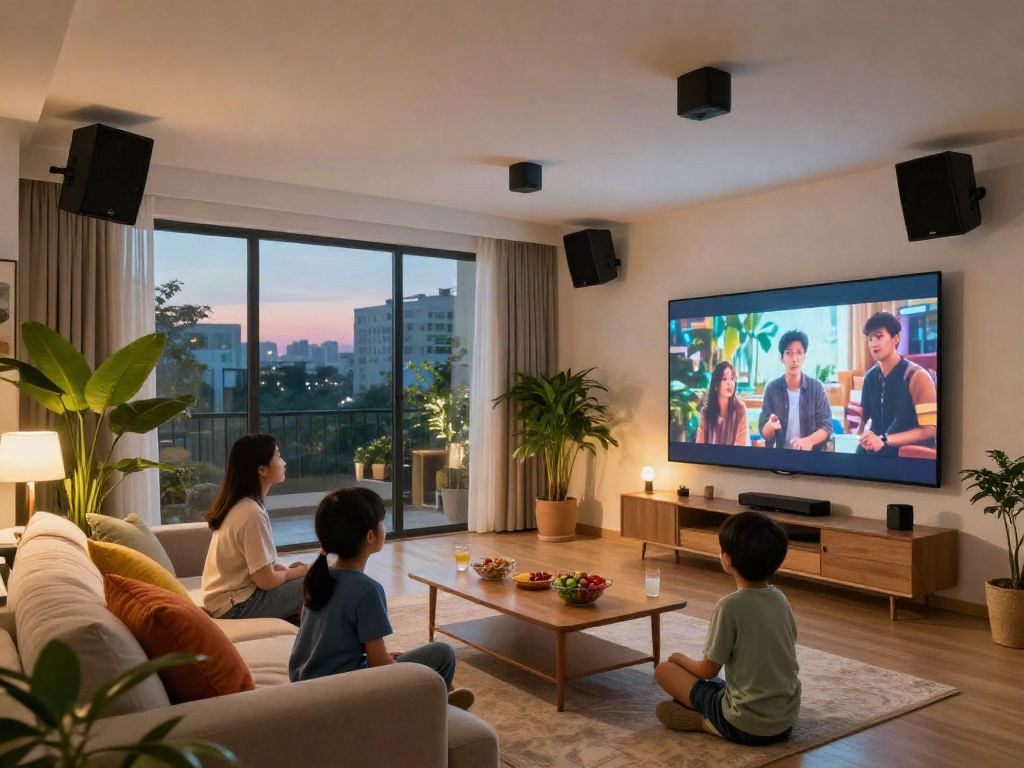
Understanding Ceiling Speakers: What Makes Them Unique?
Ceiling speakers, known in Persian as اسپیکر سقفی, have become increasingly popular in modern audio solutions for homes and commercial spaces alike. Unlike traditional speakers that sit on the floor or shelves, these speakers are designed to blend seamlessly into the ceiling, providing an unobtrusive audio experience. Their unique installation method allows for a clean aesthetic while delivering high-quality sound throughout a room. Whether you're transforming your home theater or enhancing your background music setup in a business, understanding the functionality and benefits of ceiling speakers is essential for making informed decisions.
Definition and Functionality of اسپیکر سقفی
Ceiling speakers are built to be installed directly into the ceiling structure, often using a back box that houses the speaker components. Their design allows for sound to radiate uniformly throughout the room, making them ideal for both music playback and home theater use. Typically, these speakers feature wide dispersion patterns, which means they can fill a larger area with sound compared to their traditional counterparts. This makes them suitable for larger spaces, where conventional speakers may not reach every corner effectively.
Advantages of Installing Ceiling Speakers
The advantages of اسپیکر سقفی installations are numerous. Firstly, they save valuable floor space, which can be a significant benefit in smaller rooms. Additionally, ceiling speakers can provide a more immersive audio experience by utilizing the ceiling as a sound reflection surface, enhancing the acoustics of the environment. Furthermore, their discreet design means that they don't interfere with the room's decor, offering both functionality and aesthetics.
- Space-Saving: Ceiling speakers are ideal for minimalist designs where floor space is at a premium.
- Enhanced Sound Quality: They can utilize ceiling reflections to create a more immersive auditory environment.
- Convenience: Often, they can be paired with subwoofers or other audio systems for improved low-end response.
Common Misconceptions About Ceiling Audio Systems
There are several misconceptions surrounding ceiling speakers that can hinder their adoption. One common belief is that they compromise audio quality compared to traditional speakers. However, advancements in technology have led to the development of high-performance ceiling speakers that rival conventional options. Another misconception is that they are difficult to install; while installation may require some electrical knowledge, many models are designed for ease of use. Finally, some believe that ceiling speakers are only suitable for background music, when in fact, they can be used for comprehensive home theater systems as well.
Selecting the Right اسپیکر سقفی for Your Space
Choosing the perfect ceiling speaker involves understanding your specific audio needs and the characteristics of your space. When exploring options, اسپیکر سقفی offers a variety of choices that can cater to different requirements, from sound quality to design. Here are some factors to consider when selecting the right model for your environment.
Factors to Consider: Room Size and Acoustics
The size and acoustic properties of your room play a crucial role in determining the type of ceiling speakers to use. For larger rooms, you may require speakers with greater power and wider dispersion to fill the space with sound adequately. Conversely, smaller rooms may benefit from speakers with a tighter sound dispersion. It's also essential to consider the room's materials; for example, rooms with hard surfaces like tile or wood may require additional sound dampening elements to improve audio quality.
Comparative Review of Popular Ceiling Speaker Brands
There are numerous brands in the ceiling speaker market, each offering a unique set of features and performance levels. Some leading names include:
- Klipsch: Known for their high fidelity and dynamic sound profiles.
- Polk Audio: Offers a good balance of price and performance, making them suitable for various applications.
- Infinity: Their ceiling speakers are praised for delivering excellent bass response.
- Sonos: Renowned for their integration with smart home systems and wireless performance.
Wiring and Installation Requirements
Wiring is a crucial component of ceiling speaker installation. It's recommended to use a high-quality gauge speaker wire to ensure optimal sound transmission. Additionally, consider the placement of the speakers; they should be evenly spaced to avoid audio dead spots in the room. Installing ceiling speakers typically involves cutting out a space in the drywall and securing the speaker with special clips. If you are not comfortable with electrical work, hiring a professional may be necessary.
Installation Best Practices for Maximum Performance
To achieve the best performance from your ceiling speakers, following best practices during installation is crucial. Proper placement and setup can significantly enhance sound quality and listener experience.
Step-by-Step Guide to Installing اسپیکر سقفی
- Choose the Right Location: Select a spot where the sound can spread evenly across the room.
- Measure for Placement: Ensure that the speakers are approximately 8 to 10 feet apart for optimal sound distribution.
- Cut the Ceiling Open: Using a drywall saw, carefully cut out the space for the speaker.
- Run the Wiring: Use speaker wire to connect the speakers back to your audio receiver, ensuring all connections are secure.
- Secure the Speakers: Attach the speakers into the cutout spaces and fasten them securely using the included clips.
- Test the Sound: Once installed, test the speakers at various volume levels to ensure even sound distribution.
Common Installation Mistakes and How to Avoid Them
Many common mistakes can lead to subpar performance from ceiling speakers. One such mistake is improper placement; speakers too close together can create dead spots, while those placed too far apart may not deliver adequate sound. Additionally, neglecting to consider the acoustics of the room can compromise sound quality. Always aim to test and adjust speaker placement after installation to ensure the best results.
Tips for Optimizing Sound Quality After Installation
Once your ceiling speakers are installed, several steps can enhance sound quality:
- Adjust the Equalization Settings: Use your audio receiver’s equalization settings to balance sound frequencies.
- Consider Adding Subwoofers: For enhanced bass reproduction, consider integrating subwoofers into your setup.
- Use Acoustic Panels: Installing acoustic panels can help reduce sound reflections and echo in the room.
Future Trends in Ceiling Speaker Technology
The evolution of technology continues to shape the ceiling speaker market, offering exciting advancements that enhance user experiences and audio quality.
Wireless Technology Advancements in Audio Systems
Wireless ceiling speakers have become increasingly common, allowing for greater flexibility in placement without the constraints of wiring. Many models now support Bluetooth and Wi-Fi connectivity, enabling users to stream audio directly from their devices.
Integration with Smart Home Systems
As smart home technology continues to rise, the integration of ceiling speakers with smart systems becomes essential. Many modern ceiling speakers can now sync with smart assistants like Amazon Alexa or Google Assistant, allowing for voice-activated control and seamless audio management throughout the home.
Innovative Design Trends in Ceiling Speakers for 2026
Looking forward to 2026, innovative design trends are expected to influence ceiling speakers. These may include sleeker designs that resemble modern light fixtures and the integration of customizable color options that blend with various interior aesthetics. Furthermore, advancements in materials will likely lead to even lighter and more durable speaker designs.
Real-World Examples of Effective Ceiling Speaker Installations
Real-world applications of ceiling speakers showcase their versatility and effectiveness across various environments.
Case Studies: Homeowners’ Transformations
Many homeowners have transformed their living spaces by integrating ceiling speakers into their audio systems. One homeowner in a suburban area turned their living room into a multi-functional entertainment space using ceiling speakers for both music and film audio, demonstrating the system's versatility.
Expert Insights: Interviews with Audio Professionals
Interviews with audio professionals frequently highlight the growing preference for ceiling speakers in modern installations. Experts often recommend them for both residential and commercial spaces due to their unobtrusive aesthetic and high sound quality.
Performance Metrics: Measuring Satisfaction and Sound Quality
To measure the efficacy of ceiling speaker installations, many users report high satisfaction rates, especially in terms of sound distribution and quality. Surveys show that over 80% of participants experienced a significant improvement in their audio setup after installing ceiling speakers compared to traditional systems.
What are the advantages of using اسپیکر سقفی?
The advantages of installing ceiling speakers include saving floor space, providing even sound distribution, and enhancing the overall aesthetic of a room.
How do I install ceiling speakers in my home?
Installing ceiling speakers involves selecting an appropriate location, cutting into the ceiling, running speaker wire, and securely fastening the speakers in place.
What are the latest trends in ceiling speaker technology?
The latest trends include wireless technology, smart home integration, and innovative designs that blend with modern home interiors.
Can ceiling speakers integrate with my smart home setup?
Yes, many modern ceiling speakers are designed to integrate seamlessly with smart home systems, allowing for voice control and remote management.
What common mistakes should I avoid when installing ceiling speakers?
Common mistakes include improper placement, neglecting to consider room acoustics, and failing to test sound quality after installation.