Understanding the Mini Australian Labradoodle
The Mini Australian Labradoodle, a charming hybrid breed, seamlessly blends the affectionate personality traits of the Labrador Retriever with the intelligent and hypoallergenic qualities of the Poodle. This delightful mix makes them a favorite among families and dog lovers alike. As you explore the nuances of this breed, you may find the comprehensive insights on Mini Australian Labradoodle to be particularly enlightening, especially regarding their suitability for family life and care requirements.
What is a Mini Australian Labradoodle?
The Mini Australian Labradoodle is a smaller variant of the standard Australian Labradoodle, specifically bred to achieve a more compact size. Typically, these dogs stand between 14 to 16 inches tall and weigh around 15 to 25 pounds. Their quaint size, combined with a friendly demeanor and low-shedding coat, makes them ideal for various living situations, including apartments. This breed is designed to be a companion dog, often thriving on human interaction and engagement.
History and Development of the Breed
The origins of the Australian Labradoodle can be traced back to the late 1980s when breeders sought to develop a versatile service dog with a non-shedding coat suitable for allergy sufferers. By crossing the Labrador Retriever and Poodle, they created a breed that not only fulfilled the need for assistance but also manifested a warm, sociable temperament. Over time, breeders incorporated Cocker Spaniel genetics to further refine the breed’s traits, ensuring that the Mini Australian Labradoodle maintained a predictable coat texture and friendly nature.
Key Characteristics and Traits
- Temperament: Typically friendly, affectionate, and intelligent, Mini Australian Labradoodles are eager to please and quick to learn.
- Coat: They feature a variety of coat types, often described as fleece or wool, and are generally low-shedding, although grooming is required to prevent matting.
- Social Nature: These dogs thrive on companionship, making them less suited for homes where they will be left alone for extended periods.
Size, Weight, and Growth Patterns
Expected Size and Weight Range
Mini Australian Labradoodles typically range from 14 to 16 inches in height and weigh between 15 and 25 pounds. However, variations may occur based on genetics, breeding practices, and line history. It’s essential for prospective owners to understand that the "mini" designation refers to a size range rather than a specific size guarantee.
Growth Timeline: Puppy to Adult
Most Mini Australian Labradoodles reach their full height by around 6 to 8 months, but their bodies continue to fill out and develop until they are approximately 18 months old. Owners should monitor their puppy's growth to ensure they stay within the expected weight range, adjusting their diet and exercise accordingly.
Factors Influencing Size Variability
Several factors can influence the final size of a Mini Australian Labradoodle, including:
- Genetics: The sizes of the parents play a crucial role in determining the puppy's eventual size.
- Breeding Practices: Responsible breeders focus on generating consistent traits, which can affect size predictability.
- Birth Order: Puppies from larger litters may be smaller on average than those from smaller litters due to competition for resources.
Temperament and Personality
Typical Behavioral Traits
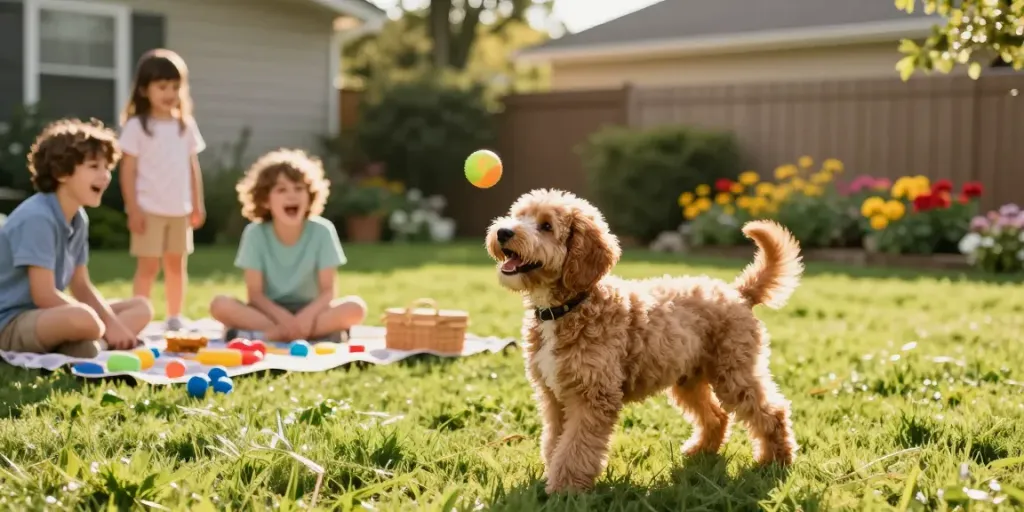
Mini Australian Labradoodles are known for their friendly and outgoing personalities. They are typically social dogs that enjoy the company of people and other pets. Early socialization is crucial to helping them develop into well-adjusted adults who can manage various environments and situations.
Socialization and Family Interactions
These dogs generally bond strongly with their families. However, proper introductions and training are essential, especially in homes with young children or other pets. Establishing a clear hierarchy through consistent training can help mitigate any potential behavioral issues.
Training: Best Practices for Mini Australian Labradoodles
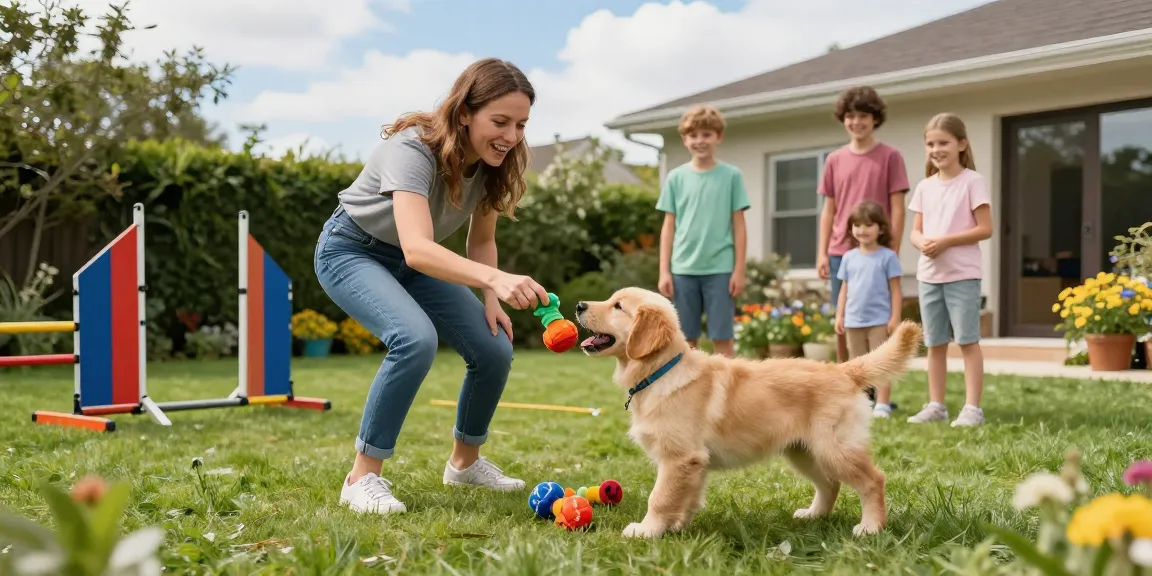
Training a Mini Australian Labradoodle is often a rewarding experience due to their eagerness to please. Positive reinforcement techniques, including treats and praise, work well with this breed. It's essential to cover basic commands and good manners from an early age to foster a well-behaved companion.
Care, Grooming, and Maintenance
Grooming Needs and Coat Types
Mini Australian Labradoodles require regular grooming to maintain their coat health. Depending on the coat type—fleece or wool—grooming schedules can vary. Regular brushing, ideally 2-3 times per week, helps prevent matting and reduces shedding. Professional grooming may also be necessary every 6 to 8 weeks.
Exercise Requirements for Health and Well-being
Daily exercise is crucial for Mini Australian Labradoodles to maintain a healthy weight and mental well-being. Ideally, they should receive 30 to 60 minutes of exercise per day, incorporating a mix of physical activity and mental stimulation through interactive games and training sessions.
Nutrition: Feeding Guidelines and Tips
Feeding a Mini Australian Labradoodle involves providing a balanced diet suited to their life stage—puppy, adult, or senior. Portion control is critical, as snack creep can lead to weight gain. Consult with a veterinarian for tailored dietary recommendations, ensuring your dog's nutritional needs are met.
Health Considerations and Lifespan
Common Health Issues to Monitor
While generally healthy, Mini Australian Labradoodles can be prone to certain health issues, including:
- Hip Dysplasia: A genetic condition that affects the hip joints, leading to arthritis if not managed.
- Eye Disorders: Conditions like progressive retinal atrophy (PRA) can occur in this breed.
- Allergies: Some dogs may be prone to skin allergies or sensitivities.
Aging: Lifespan Expectations for Mini Australian Labradoodles
With proper care, Mini Australian Labradoodles can live to be 12 to 15 years old. Regular veterinary check-ups, a balanced diet, and a healthy lifestyle can contribute to a long, vibrant life.
Choosing a Responsible Breeder: Key Questions
When selecting a breeder, potential owners should ask about health screenings, socialization practices, and breeding history. Responsible breeders should provide health clearances for common issues associated with the breed and be willing to share information about the lineage of their puppies.
Are Mini Australian Labradoodles Good Family Dogs?
Yes, Mini Australian Labradoodles can be excellent family dogs. Their affectionate and lively nature makes them great companions for families who can provide the time and attention they need. Proper training and socialization help ensure successful interactions with children and other pets.
What is the Average Lifespan of a Mini Australian Labradoodle?
As mentioned, the lifespan of a Mini Australian Labradoodle typically ranges from 12 to 15 years. Regular health check-ups and preventative care are essential to maximizing their longevity.
How to Train a Mini Australian Labradoodle Effectively?
Effective training for a Mini Australian Labradoodle involves consistency, patience, and the use of positive reinforcement methods. Early training should focus on building a strong foundation in obedience and social skills, particularly during the critical socialization period in puppyhood.