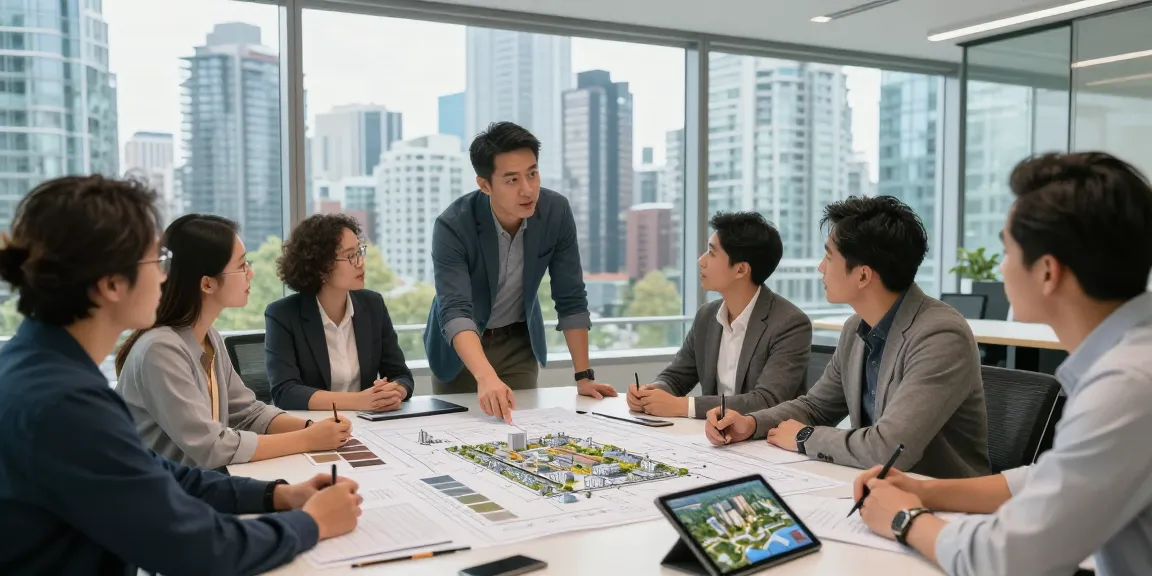
Introduction to Terry Hui and Concord Pacific
Terry Hui, a prominent Canadian businessman and philanthropist, has made significant strides in urban development through his leadership at Concord Pacific. As the President and CEO of Concord Pacific Developments Inc., he has played a crucial role in reshaping city skylines and enhancing urban environments across Canada, the US, and the UK. His work on the former Expo 86 Lands in Vancouver and the rail lands adjacent to the CN Tower in Toronto has earned him recognition as a visionary community builder. With a rich background in physics and electrical engineering, Hui combines technical expertise with a passion for sustainable development, making him a notable figure in the real estate industry. To explore more about his contributions and insights, visit Terry Hui.
Background and Career Journey of Terry Hui
Terry Hui’s career is marked by a unique blend of education and entrepreneurial spirit. Born in Hong Kong, he later moved to Canada, where he pursued his academic ambitions. Hui earned a Bachelor’s degree in Physics from the University of California, Berkeley, followed by a Master’s degree in Electrical Engineering from Santa Clara University. These credentials laid a strong foundation for his future ventures.
His journey began with Concord Pacific, where he joined as a strategic leader. Under Hui’s vision, the company transitioned from residential projects to large-scale mixed-use developments, reflecting his commitment to fostering vibrant communities. His leadership style emphasizes collaboration, innovation, and sustainability, driving Concord Pacific to be a leader in real estate development.
Concord Pacific’s Vision: Shaping City Skylines
Concord Pacific has always been at the forefront of urban development, particularly in reshaping the skylines of major Canadian cities. With a keen eye for potential, Hui recognized the opportunity to transform the southern skyline of Vancouver, a project that has since become synonymous with modern urban living. The company’s developments are not just about buildings; they are about creating communities that thrive.
In Toronto, Hui’s influence is visible in the redevelopment of the city’s rail lands, where innovative designs merge functionality with aesthetic appeal, providing a blueprint for future urban centers. His vision extends to various sectors, including green energy and technology, reinforcing his belief in sustainable growth.
Key Contributions of Terry Hui in Urban Development
Revolutionizing Vancouver’s Southern Skyline
Hui’s strategic approach in Vancouver has led to the creation of a thriving urban landscape that includes parks, residential units, and commercial spaces. His ability to blend residential needs with urban planning has resulted in a liveable, walkable community that has attracted both residents and businesses. The project stands as a testament to Hui’s commitment to enhancing the quality of life through thoughtful development.
One significant project is the Concord Pacific Place, which incorporates public spaces, recreation areas, and cultural amenities, fostering a sense of community. This integrated approach ensures that development is not just about constructing buildings, but about creating places where people connect and flourish.
Toronto’s Rail Lands: A Case Study
Hui’s work in transforming Toronto’s rail lands is another exemplary case of innovative urban planning. The area, once underutilized, is now considered one of the most critical developments in the city. The integration of residential, commercial, and recreational spaces showcases Hui’s holistic approach.
Part of this initiative includes eco-friendly design principles that focus on minimizing environmental impact while maximizing community engagement. By incorporating green spaces and community hubs, the redevelopment is not only enhancing the Toronto skyline but also promoting a sustainable urban lifestyle.
Integrating Sustainability in Urban Planning
Sustainability is a core principle at Concord Pacific, and Hui has championed this ethos throughout his projects. Emphasizing eco-friendly practices, the company strives to integrate renewable energy sources and sustainable architecture into their developments.
- Use of Green Materials: Projects utilize building materials that reduce environmental impact.
- Energy Efficiency: Incorporation of energy-efficient technologies to minimize the carbon footprint.
- Community Involvement: Engaging local communities in sustainability initiatives fosters a collective commitment to the environment.
Hui’s initiatives demonstrate that sustainable urban development is not only achievable but also essential for future generations.
Best Practices in Real Estate Development
Understanding Community Needs and Engagement
One of the defining characteristics of successful real estate development is understanding the needs of the community. Hui advocates for active engagement with stakeholders, ensuring that developments align with community interests. This engagement helps to build trust and foster collaboration.
Conducting surveys, hosting town hall meetings, and collaborating with local organizations are effective strategies to gauge community needs. By prioritizing stakeholder feedback, developers can create projects that resonate with those they aim to serve.
Effective Project Management Strategies
Effective project management is critical in navigating the complexities of urban development. Hui emphasizes the importance of project planning, including risk management, timeline adherence, and budget control. By establishing clear objectives and timelines, teams can work more efficiently and avoid costly delays.
- Establish Clear Goals: Setting specific, measurable, achievable, relevant, and time-bound (SMART) goals for each project phase.
- Utilize Technology: Leveraging software for project tracking and communication enhances collaboration among teams.
- Regular Assessments: Conducting audits at various project stages allows for timely adjustments and course corrections.
Leveraging Technology in Development Processes
Technology plays a transformative role in urban development. Hui incorporates advanced technologies such as Building Information Modeling (BIM) and Geographic Information Systems (GIS) to enhance design accuracy and project efficiency. These tools not only streamline the development process but also facilitate real-time updates and collaborative efforts among multidisciplinary teams.
Furthermore, embracing smart city technologies—like IoT-enabled infrastructure—can lead to enhanced operational efficiencies and improved citizen services, establishing a framework for future-ready urban environments.
Challenges and Misconceptions in Urban Development
Common Pitfalls in Large-Scale Projects
While large-scale urban development holds great promise, it also presents a multitude of challenges. Common pitfalls include inadequate planning, lack of community consultation, and underestimating project timelines. These challenges can lead to budget overruns and project failures.
Hui advises that thorough preparation and ongoing communication with stakeholders can mitigate these risks. Engaging community members early in the process helps to align developments with public expectations, ultimately leading to more successful outcomes.
Addressing Public Concerns and Involvement
Public opposition can hinder even the most well-planned projects. Hui emphasizes the importance of transparency and responsiveness to community concerns. By involving residents in the decision-making process, developers can foster a sense of ownership and pride in the community.
- Open Forums: Hosting public meetings to discuss projects and gather feedback helps to build relationships.
- Transparent Communication: Regular updates through newsletters or social media can keep the community informed and engaged.
- Building Trust: Demonstrating a commitment to community values fosters confidence in developers’ intentions.
Lessons Learned from Past Development Failures
Learning from past mistakes is crucial in urban development. Hui reflects on several high-profile failures that could have benefitted from greater stakeholder engagement and clearer communication. These instances reinforce the necessity of understanding local dynamics and prioritizing community interests to avoid similar pitfalls.
Taking proactive steps such as forming advisory boards that include community leaders can provide valuable insights and feedback throughout the development process, reducing the risk of public backlash.
The Future of Urban Development in 2026 and Beyond
Emerging Trends Affecting Real Estate Markets
As we look towards 2026, several emerging trends are anticipated to shape the real estate landscape. Notably, urbanization continues to drive demand for housing and commercial spaces, particularly in fast-growing urban centers. Additionally, increasing emphasis on sustainability is likely to influence building practices and materials.
Smart technology integration and the rise of remote work will also redefine how urban spaces are designed, prioritizing flexibility and accessibility. Developers will need to adapt to these trends to remain competitive and meet evolving market demands.
Role of Philanthropy in Community-Focused Development
Philanthropy is becoming an integral part of urban development, with key figures like Terry Hui leading the charge. By investing in community initiatives and nonprofit organizations, developers can create a positive social impact while enhancing their brand image.
Philanthropic efforts can range from funding local arts programs to supporting housing initiatives for low-income families, demonstrating a commitment to community well-being alongside business endeavors.
Predictions for Terry Hui’s Continued Influence
Given his track record, it is likely that Terry Hui will continue to influence urban development not only in Canada but globally. His advocacy for sustainable practices and community engagement sets a precedent for future developers.
Moreover, as urban challenges evolve, Hui’s ability to adapt and innovate will ensure that Concord Pacific remains a leader in the industry. Expectations are high for his contributions to shape policies and practices that prioritize livability, sustainability, and technological advancement in urban spaces.
What makes Terry Hui a significant figure in real estate?
Terry Hui’s unique combination of technical expertise, visionary leadership, and commitment to sustainability positions him as a significant figure in the real estate industry. His achievements reflect a deep understanding of community needs and an unwavering dedication to improving urban environments.
How does Concord Pacific approach sustainable development?
Concord Pacific integrates sustainability by prioritizing eco-friendly practices, utilizing green building materials, and engaging communities in environmental initiatives. This approach not only enhances the quality of construction but also promotes a greener urban lifestyle.
What are the key challenges facing urban developers today?
Key challenges include managing public opposition, navigating regulatory complexities, and addressing environmental concerns. Additionally, the financial implications of large-scale projects require careful consideration and planning.
How can community engagement improve project outcomes?
Community engagement fosters trust and collaboration, leading to projects that better reflect local needs and values. When residents are involved in the development process, it often results in smoother project execution and enhanced community satisfaction.
What future trends should investors watch in urban development?
Investors should watch for trends such as the increasing demand for sustainable and smart buildings, the rise of mixed-use developments, and the growing importance of community-centric projects as these factors will likely dictate future success in urban development.