The Essentials of SHASHEL® Microwave Technology
In the quest for effective pest control, especially for wood-boring insects, SHASHEL® microwave technology stands out as a groundbreaking solution. This innovative approach not only addresses the issue of woodworms but does so without the use of harmful chemicals, making it safe for both humans and the environment. Imagine eradicating pests within minutes while preserving the integrity of your wooden structures. This article will delve into the details of SHASHEL®, exploring its functionality, benefits, and how it compares with traditional pest control methods.
When exploring options, SHASHEL® provides comprehensive insights into its microwave technology, which is designed to eliminate wood-boring insects efficiently and effectively.
What is SHASHEL® and How Does It Work?
SHASHEL® is a specialized microwave system engineered to combat wood-boring insects, such as woodworms, house longhorn beetles, and powderpost beetles. Unlike conventional pest control methods that often rely on toxic chemicals, SHASHEL® utilizes microwave energy to generate heat within the wood. This technology effectively targets and destroys the pests at all life stages—adults, larvae, and eggs—while being gentle on wooden materials.
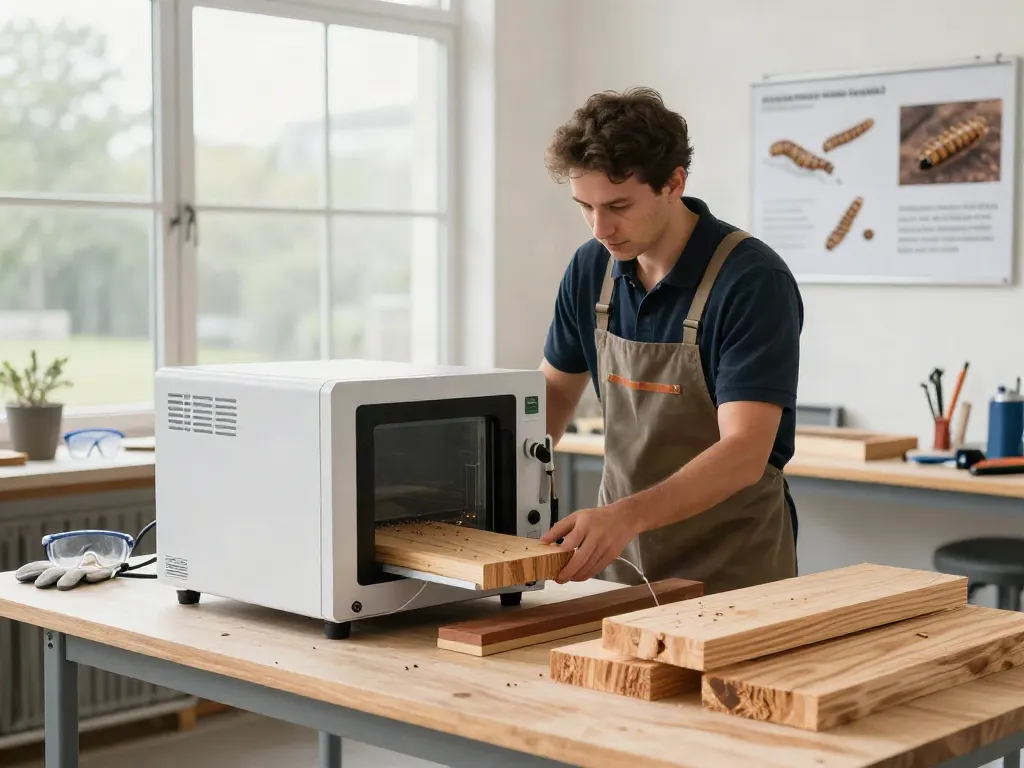
The process begins with the placement of the affected wood into the microwave chamber. The microwave energy penetrates deep into the wood, raising the temperature sufficiently to eliminate the pests without damaging the wood structure. This method ensures a thorough treatment that is both effective and expedient.
Benefits of Chemical-Free Wood Treatment
The advantages of using SHASHEL® for wood treatment are significant, particularly in its approach to pest control. Traditional chemical treatments can leave harmful residues and may pose health risks to humans and pets. In contrast, SHASHEL® offers a completely chemical-free solution, ensuring safety for family and the environment. Here are some key benefits:
- Eco-Friendly: The use of microwaves eliminates the need for toxic chemicals, making it safe for both indoor and outdoor applications.
- Speed: The treatment process takes only minutes, allowing for quick remediation of infestations.
- Deep Penetration: The microwave technology penetrates deeply into wood, ensuring that all pests are reached, even in hidden locations.
- Versatility: SHASHEL® can be used on a variety of wood types and is effective in different settings, from homes to warehouses.
Understanding the SHASHEL® Process: A Step-by-Step Guide
The SHASHEL® treatment process is designed to be straightforward and efficient. Here’s how it works in detail:
- Initial Assessment: A qualified technician assesses the wood and identifies the level of infestation.
- Preparation: The affected wood is prepared for treatment, which may involve cleaning or removing any surface contaminants.
- Microwave Treatment: The wood is placed in the SHASHEL® microwave system where specific wavelengths target and eliminate pests.
- Post-Treatment Inspection: After treatment, a follow-up inspection ensures the elimination of all pests.
- Documentation: The process is documented for records, ensuring that homeowners or business owners have a clear understanding of the treatment performed.
Identifying Wood-Boring Insects
Common Types of Woodworms and Their Effects
Wood-boring insects can cause significant structural damage if not addressed promptly. Common types include:
- Common Furniture Beetle: Typically found in furniture, this beetle can weaken wood over time.
- Powderpost Beetle: Known for creating fine powdery frass, these beetles infest hardwoods and can be difficult to detect.
- House Longhorn Beetle: This species can damage wooden structures, leading to extensive repairs if left untreated.
Signs of Infestation and Damage Assessment
Recognizing the signs of infestation early can save substantial costs and effort. Key indicators include:
- Visible frass (wood shavings) beneath wooden structures.
- Small holes in wood surfaces where insects exit.
- Soft or crumbling wood that may indicate deeper infestations.
- Creaking or collapsing wooden structures.
How to Differentiate Between Insect Species
Identifying the specific type of wood-boring insect can be crucial for effective treatment. Here are some tips:
- Examine the size of the exit holes: Smaller holes typically indicate powderpost beetles, while larger ones may suggest other species.
- Check the frass texture: Powderpost beetle frass resembles fine powder, while frass from other species can be larger and more granular.
- Consider the wood type: Certain insects prefer specific types of wood, which can help in identification.
Advantages of Using SHASHEL® Over Traditional Methods
Eco-Friendliness: Safe for Homes and the Environment
One of the most compelling reasons to choose SHASHEL® is its ecological benefits. The absence of chemicals means there are no harmful residues left behind, making your home safer for children and pets. This approach not only protects your property but also contributes positively to environmental sustainability.
Deep Penetration Technology Explained
SHASHEL® operates on the principle of deep penetration, which is crucial for managing infestations effectively. The microwave energy travels through the wood, raising temperatures in hidden areas where pests might reside. This ensures that the entire structure is treated, unlike traditional methods that may only kill visible pests.
Speed and Efficiency: Treatment in Minutes
Time is of the essence when dealing with wood-boring insects. SHASHEL® technology allows for rapid treatment, often taking just a few minutes to eliminate pests. This efficiency means that homeowners can return to their normal lives without extensive downtime caused by prolonged treatments.
Best Practices for Wood Preservation
Initial Assessment and Preparation Before Treatment
Before embarking on any wood treatment, it is crucial to perform an initial assessment. This includes identifying the extent of the infestation and selecting the appropriate treatment plan. Preparation may involve clearing the area, moving furniture, and ensuring accessibility of the wood structures to be treated.
Aftercare for Treated Wood
Post-treatment care is vital for preserving the integrity of the wood and preventing future infestations. Recommendations include:
- Regular inspections for signs of new infestations.
- Keeping wood dry and well-ventilated to discourage pest growth.
- Applying protective coatings or treatments as necessary.
Long-Term Prevention Strategies
Preventing future infestations involves more than just one treatment. Long-term strategies include:
- Regular maintenance of wooden structures.
- Addressing moisture issues promptly, as damp environments attract pests.
- Utilizing SHASHEL® treatments periodically for ongoing protection.
Future Trends in Wood Treatment Technology
Innovations in Pest Control Equipment
The pest control industry is continuously evolving, and advancements in technology are shaping the future of wood treatment. Innovations such as targeted microwave frequency adjustments are being developed to enhance effectiveness against specific pest types, ensuring that treatment remains efficient and tailored to needs.
Predictions for 2026 and Beyond in Wood Treatment
Looking ahead to 2026, we can anticipate even more refined technologies in wood treatment. Experts predict a greater emphasis on sustainability, with more companies adopting environmentally friendly practices such as SHASHEL’s chemical-free approach. Additionally, automation in treatment processes is likely to become more prevalent, resulting in increased efficiency.
Expert Insights on Sustainable Practices
Industry professionals emphasize the importance of sustainable pest management strategies. Continuous education on the benefits of eco-friendly treatments, combined with advancements in technology, will encourage homeowners and businesses alike to opt for safer pest control solutions.
FAQs on SHASHEL® Technology and Wood Treatment
How does SHASHEL® compare to chemical treatments?
SHASHEL® provides a safer alternative to chemical treatments by eliminating pests without leaving harmful residues. This reduces health risks and environmental impacts typically associated with chemicals.
Is SHASHEL® safe for use in food storage areas?
Yes, SHASHEL® is entirely safe for use in food storage areas, as it does not utilize any chemicals that would contaminate food products.
What wood types can benefit from SHASHEL® treatment?
SHASHEL® is effective on a variety of wood types, including hardwoods and softwoods, making it a versatile option for different applications, whether in residential or commercial settings.